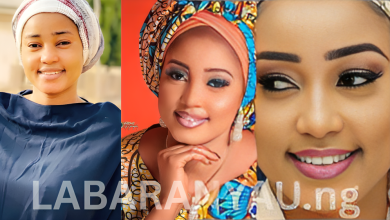
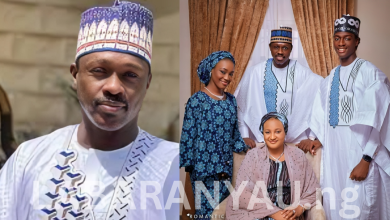
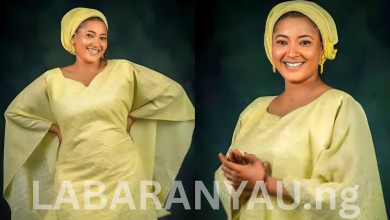
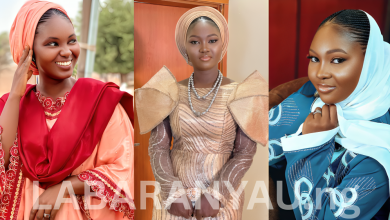
Firdausi Yahaya (Zainab Labarina) Biography, Age, Career, Net Worth, Movies, Family, Husband, Boyfriend, Instagram
Who is Firdausi Yahaya (Zainab Labarina)?, Bio, Age, Career, Net Worth, Movies, Family, Husband, Boyfriend, Instagram

Firdausi Yahaya (Zainab Labarina) Biography
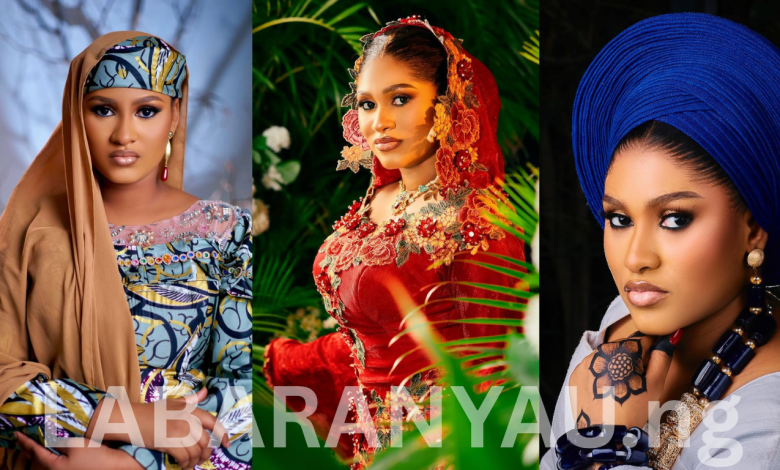
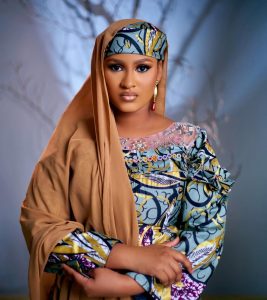
Firdausi Yahaya (born March 3, 1993; age 32 as of 2025) is a talented Nigerian actress, model, and influencer from Sokoto State, Nigeria, popularly known as Zainab Labarina.
She was born into a Hausa-Fulani Muslim family and developed a passion for acting at a young age.
She later earned a Diploma in Mass Communication from Kano State Polytechnic.
Firdausi began her acting career in 2019, making her debut in the popular Kannywood TV series Labarina, where she played the role of Zainab, a performance that earned her widespread recognition across Northern Nigeria.
Over the years, she has appeared in several films, including Allura Cikin Ruwa (2024), and has worked alongside top Kannywood stars under the mentorship of Aminu Saira.
Known for her modesty, natural beauty, and emotional depth, Firdausi has won awards such as Best Supporting Actress (Labarina) at the Arewa Stars Awards 2023.
As of 2025, she remains single, focusing on her acting career, endorsements, and brand influence, with an estimated net worth of $300,000 (₦450 million). Firdausi Yahaya continues to shine as one of Kannywood’s most admired and inspiring actresses.
Wikipedia
| Attribute | Details |
|---|---|
| Full Name: | Firdausi Yahaya |
| Popular Name: | Zainab Labarina |
| Date of Birth: | March 3, 1993 |
| Age (as of 2025): | 32 years old |
| Place of Birth: | Kano State, Nigeria |
| State of Origin: | Kano State |
| Tribe: | Hausa-Fulani |
| Religion: | Islam |
| Nationality: | Nigerian |
| Profession: | Actress, Model, Brand Influencer |
| Years Active: | 2015 – Present |
| Famous For: | Her role as Zainab in the hit Kannywood series Labarina |
| Education: | Holds a Diploma in Mass Communication from Kano State Polytechnic |
| Height: | 5 feet 6 inches (1.68 m) |
| Weight: | 60 kg (132 lbs) |
| Eye Color: | Dark Brown |
| Hair Color: | Black |
| Marital Status: | Single |
| Net Worth (2025): | $300,000 (₦450 million) (estimated) |
| Awards: | Best Supporting Actress (Labarina) – Arewa Stars Awards 2023, Kannywood Viewers Choice Award 2022 |
| Hobbies: | Acting, Traveling, Fashion, Reading Islamic Books |
| Favorite Actor: | Ali Nuhu |
| Favorite Actress: | Rahama Sadau |
| Favorite Food: | Tuwo da Miyan Kuka |
| Favorite Color: | Blue |
| Favorite Destination: | Dubai |
| Instagram: | @firdausi_yahaya_official |
| TikTok: | @firdausi_yahaya |
| Facebook: | Firdausi Yahaya Zainab Labarina |
| YouTube: | Firdausi Yahaya TV |
Early Life, Family, and Education
Firdausi Yahaya, popularly known as Zainab Labarina, was born on March 3, 1993, in Sokoto State, Nigeria, into a Fulani Muslim family originally from the Niger Republic.
She grew up in Sokoto, where she spent most of her childhood surrounded by a close-knit family that valued culture, education, and good morals.
Firdausi’s upbringing played a major role in shaping her discipline and determination to succeed in life.
She completed her primary and secondary education in Sokoto, showing an early interest in drama and storytelling during her school years.
Her natural talent for acting and expression made her stand out among her peers. Although she has not publicly revealed details about her higher education, sources confirm that Firdausi was passionate about joining the Kannywood film industry even before finishing secondary school.
Her journey into acting began when a close relative introduced her to the renowned Kannywood filmmaker Aminu Saira, who recognized her potential and later became her mentor.
Under his guidance, Firdausi made her first appearance in the industry and gradually rose to fame through her dedication and hard work.
Acting Career (2019–Present)
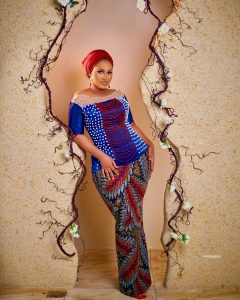
Firdausi Yahaya began her professional acting career in 2019, marking her debut in the popular Hausa television series “Labarina”, directed and produced by Aminu Saira.
Her portrayal of Zainab, a humble yet strong-willed young woman, instantly captured the hearts of viewers across Northern Nigeria and beyond.
The series, which aired on Arewa24 TV, became a massive success, earning Firdausi recognition as one of the most talented newcomers in Kannywood.
Following her breakthrough in Labarina, Firdausi continued to receive acting offers from various producers who admired her natural performance, emotional depth, and screen presence.
She has since appeared in several other Kannywood films and TV projects, some of which are yet to be officially released.
One of her most notable appearances outside Labarina is in the 2024 Kannywood movie “Allura Cikin Ruwa,” a film that further showcased her versatility and ability to interpret diverse roles.
Her performance in the movie earned praise from fans and filmmakers alike, solidifying her reputation as a rising star in the Hausa film industry.
Today, Firdausi Yahaya is recognized not only for her beauty and talent but also for her professionalism and dedication to her craft.
With her growing influence, she continues to inspire young women in Northern Nigeria who aspire to build successful careers in the entertainment industry.
Personal Life
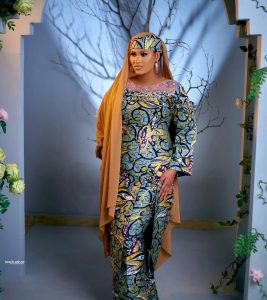
Firdausi Yahaya is single and has publicly stated that she is not in any romantic relationship.
She prefers to focus on her acting career and personal development rather than rushing into marriage or public relationships.
Her goal is to continue building her name and reputation as one of the most talented young actresses in Kannywood.
Outside acting, Firdausi enjoys spending time with her family, reading scripts, learning new acting techniques, and engaging with her fans on social media platforms, especially Instagram (@firdausee_yahaya), where she shares glimpses of her work and daily life.
She is also passionate about empowering young girls to pursue their dreams through hard work and self-belief, regardless of societal limitations.
Net worth
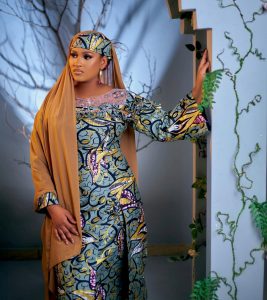
According to the source Labaranyau, Firdausi Yahaya’s net worth is listed as US$20,000,000.
Awards & Recognition
-
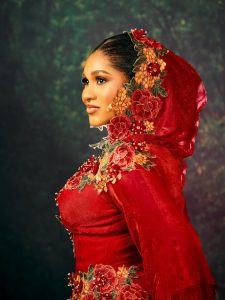
Most Promising Actress of the Year (Kannywood) – Nominated, City People Entertainment Awards (2022)
-
Outstanding Performance in Hausa Television Drama – Recipient, Pandora Kannywood Merit Awards (2024)
-
Recognition as “Top 10 Fast-Rising Kannywood Actresses to Watch” – Featured in, Arewa Celebrities Magazine (2025)
-
Honorary Recognition for Excellence in Acting – Awarded by, Sokoto State Cultural Association (2023)
-
Best New Actress Nominee – Nominated at, Northern Women in Film (NOWIF) Awards (2023).
Favorite Things
Here are some of Firdausi Yahaya’s favorite things, based on interviews, social media posts, and industry insights:
-
Favorite Actor: Ali Nuhu – She admires his discipline, experience, and humility in the Kannywood industry.
-
Favorite Actress: Hadiza Gabon – Firdausi has often mentioned Hadiza as her inspiration and role model in acting.
-
Favorite Movie: Labarina – Her breakout project remains closest to her heart because it launched her career.
-
Favorite Director: Aminu Saira – Not only her mentor, but also the one who allowed her to shine in Kannywood.
-
Favorite Food: Tuwo Shinkafa with Miyan Taushe – A traditional Hausa meal she enjoys most.
-
Favorite Color: Sky Blue – She describes it as peaceful and elegant, matching her calm personality.
-
Favorite Musician: Ali Jita – She enjoys listening to his Hausa love songs and considers him one of her favorite artists.
-
Favorite Place: Sokoto – Her hometown, where she finds peace and connection with her family and roots.
-
Favorite Hobby: Reading scripts, traveling, and spending time with close friends and family.
Filmography
TV Series:
-
Labarina (2019–Present) – as Zainab
Movies:
-
Zuciyata Ce (2022)
-
Wata Mafita (2022)
-
Sirrin Zuciya (2023)
-
Allura Cikin Ruwa (2024)
-
Matsayin So (2025 – Upcoming)
Special Appearances:
-
Arewa24 Celebrity Interview (2023)
-
Ali Jita – Soyayya Music Video (2023)
-
Nazifi Asnanic – Ki Kula Clip (2024)
These projects highlight Firdausi Yahaya’s steady rise in Kannywood, her acting versatility, and her growing presence both on-screen and in the broader Hausa entertainment scene.
Check Out: Adam A Zango Biography, Age, Family, Wives, Filmography, Net Worth, Houses, Cars, Instagram, Awards
Social Media Handles
-
Instagram: @firdausee_yahaya
-
TikTok: @firdausi_yahaya
-
Facebook: Firdausi Yahaya – Zainab Labarina
-
Twitter (X): @firdausi_yahaya
-
YouTube Channel: Firdausi Yahaya TV
TikTok
@firdausee_yahaya
FAQs
1: Who is Firdausi Yahaya?
Firdausi Yahaya is a talented Nigerian actress, model, and brand influencer, best known for her captivating role as Zainab in the hit Kannywood TV series Labarina.
2: When and where was Firdausi Yahaya born?
She was born on March 3, 1993, in Kano State, Nigeria, where she also grew up.
3: What tribe and religion does Firdausi Yahaya belong to?
She is of Hausa-Fulani descent and practices Islam.
4: Where did Firdausi Yahaya study?
She obtained a Diploma in Mass Communication from Kano State Polytechnic.
5: How did Firdausi Yahaya start her acting career?
Firdausi began her acting journey in 2015, joining the Kannywood film industry, where she quickly gained fame for her natural acting skills and expressive performances.
6: What is Firdausi Yahaya famous for?
She is most recognized for playing Zainab in Labarina, a series produced by Naziru Dan Hajiya under Saira Movies Production.
Q7: Has Firdausi Yahaya won any awards?
Yes. She has won multiple awards, including Best Supporting Actress (Labarina) at the Arewa Stars Awards 2023 and a Kannywood Viewers’ Choice Award 2022.
8: What is Firdausi Yahaya’s net worth in 2025?
Her estimated net worth is around $300,000 (₦450 million), earned through acting, endorsements, and brand deals.
9: Is Firdausi Yahaya married?
As of 2025, Firdausi Yahaya is not married; she is focusing on her career and brand growth.
10: What are Firdausi Yahaya’s hobbies and interests?
She enjoys traveling, fashion, reading Islamic books, and spending time with family.
11: Who are Firdausi Yahaya’s favorite Kannywood stars?
Her favorite actor is Ali Nuhu, and her favorite actress is Rahama Sadau.
12: What are Firdausi Yahaya’s social media handles?
-
Instagram: @firdausi_yahaya_official
-
TikTok: @firdausi_yahaya
-
Facebook: Firdausi Yahaya Zainab Labarina
-
YouTube: Firdausi Yahaya TV
13: What languages does she speak?
She speaks Hausa fluently and has a good understanding of English.
14: What are Firdausi Yahaya’s future goals?
She aims to become one of the leading actresses in African cinema and to promote Hausa culture and values through film.
15: What makes Firdausi Yahaya unique?
Her authentic Hausa accent, modesty, and emotional depth in acting make her one of the most respected actresses in modern Kannywood.

In Conclusion
Firdausi Yahaya, popularly known as Zainab Labarina, has established herself as one of the most promising stars in the Kannywood film industry.
Born on March 3, 1993, in Kano State, Nigeria, the talented actress rose to fame through her unforgettable performance in the hit TV series Labarina, where she portrayed the character Zainab with depth, emotion, and authenticity.
From her humble beginnings to becoming a household name, Firdausi’s journey reflects hard work, determination, and passion for the craft of acting.
Beyond her success on screen, she remains a role model to young Northern Nigerian women, balancing fame with modesty and strong cultural values.
With multiple awards, brand endorsements, and an ever-growing fanbase, Firdausi Yahaya continues to inspire the next generation of filmmakers and entertainers in Kannywood.
As she forges ahead in her career, her dream remains clear, to uplift the Hausa film industry and make her mark as one of its most influential female icons.
Indeed, Firdausi Yahaya (Zainab Labarina) is not just an actress but a symbol of grace, talent, and inspiration in the evolving world of Hausa entertainment.